
Kulna means all of us
World-systems rise, peak, decay, and eventually end. Our current world-system is in its terminal years. Liberation means building what comes next.
Our story
Kulna began from a cry that defined a generation: "the people want the downfall of the system. " The Arab Spring taught us that people can see the system clearly long before institutions admit that it is broken. It also taught us that bringing down an order is not the same as building what follows it.
We are now living through that question globally. The crises defining this era - genocide, ecocide, elite impunity, democratic decline, and massive inequality - are not separate emergencies. They are symptoms of a single deeper fact: we are living at the boundary between world-systems, where one order is exhausted and the next has not yet formed.
For many, Gaza has made that undeniable. It has exposed not only the cruelty of power, but the failure of the institutions, media systems, legal frameworks, and moral languages that claimed to restrain it. The result is not only outrage, but betrayal: a widening recognition that the systems meant to protect life and dignity protect power instead.
The experience of living through such a transition is one of moral injury, disorientation, grief, and anxiety. The crises are often treated one at a time, but they must be understood together; only systems-level thinking can hold the whole in view. The forces shaping them unfold over decades and generations.
Most platforms are not built for that horizon or scope. The media cycle rewards reaction over understanding, trapping us in a perpetual present and deepening both outrage and disorientation. It can tell us what happened today, but rarely helps us understand the deeper architecture that made it possible.
As a result, some of the most important questions of our time go underserved. They are long, structural questions about power, legitimacy, resistance, collapse, repair, and what comes next. They require sustained, rigorous, morally serious work, yet have few natural homes in the existing media landscape.
Kulna is built deliberately for that gap. Founded from the experience of the Arab Spring, shaped by Palestine, and carried by people who have lived the costs of authoritarianism, exile, torture, war, censorship, and betrayal, Kulna turns long thinking into public work for a world in transition.
The Kulna Team
Our team emerged from the Arab Spring uprisings and have direct lived experience of organizing, uprising, arrest, imprisonment, torture, exile, and the long work of rebuilding. We carry that experience into our activism, art, and thought. Our members are prolific writers and media producers with deep credibility, coming from communities directly affected by the systemic crises we study. Our team members are:
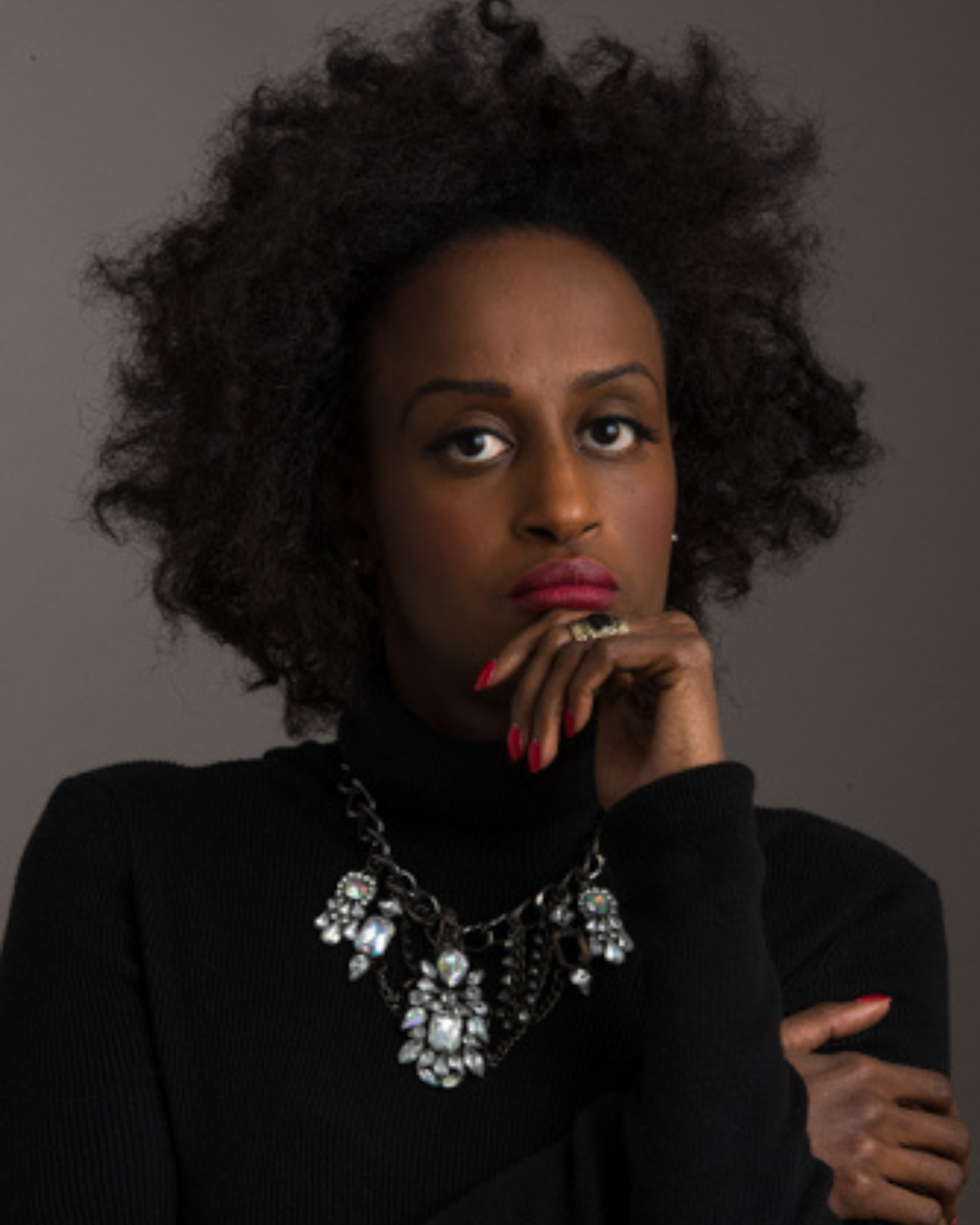
Leyla Hussein
Wellbeing Specialist
Somali-British psychotherapist, anti-FGM campaigner and former Rector of the University of St Andrews.
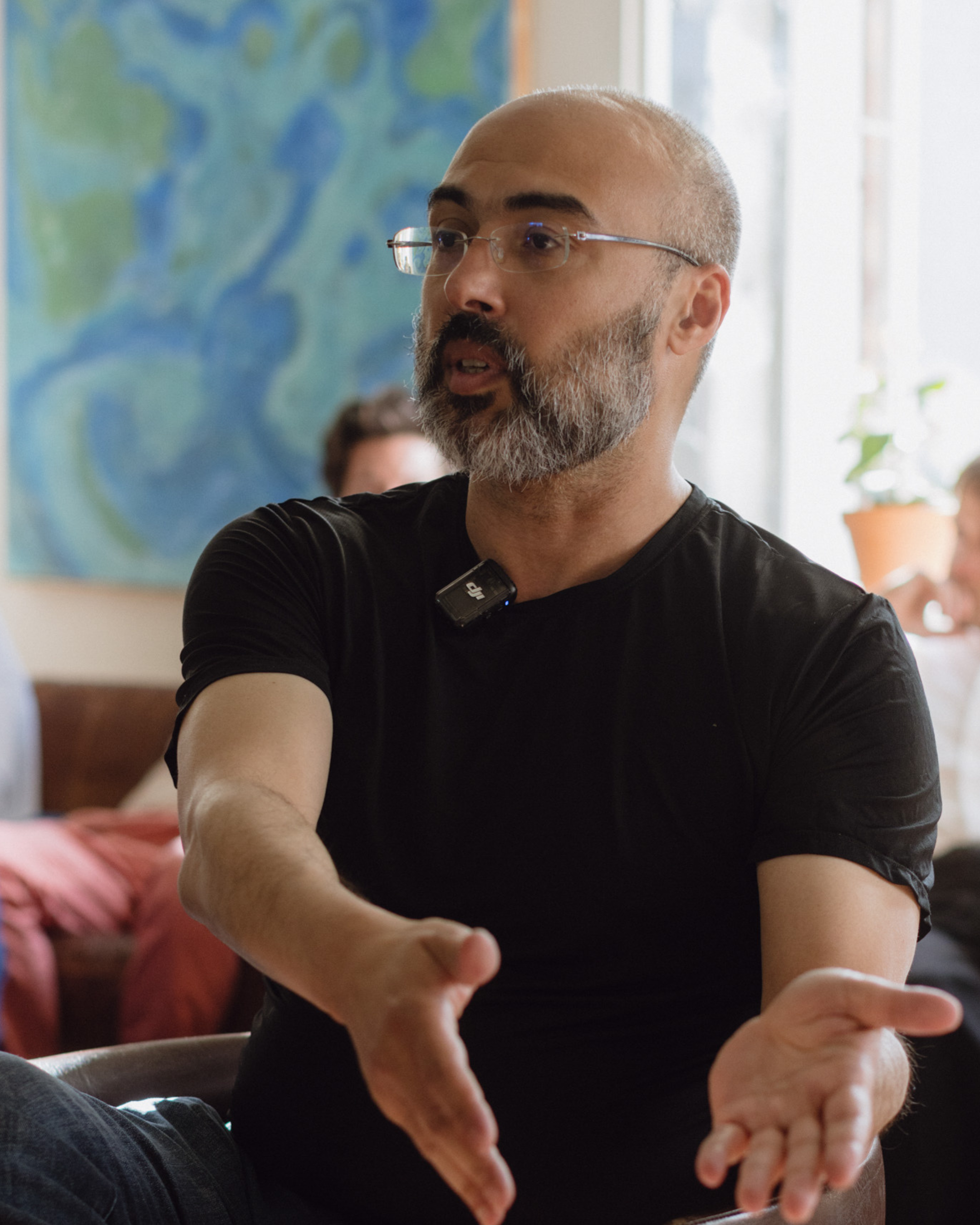
Iyad El-Baghdadi
Lead: How to Liberate
Palestinian-Norwegian thinker and author. Internationallyrecognised expert on geopolitics, disinformation and transnational repression.
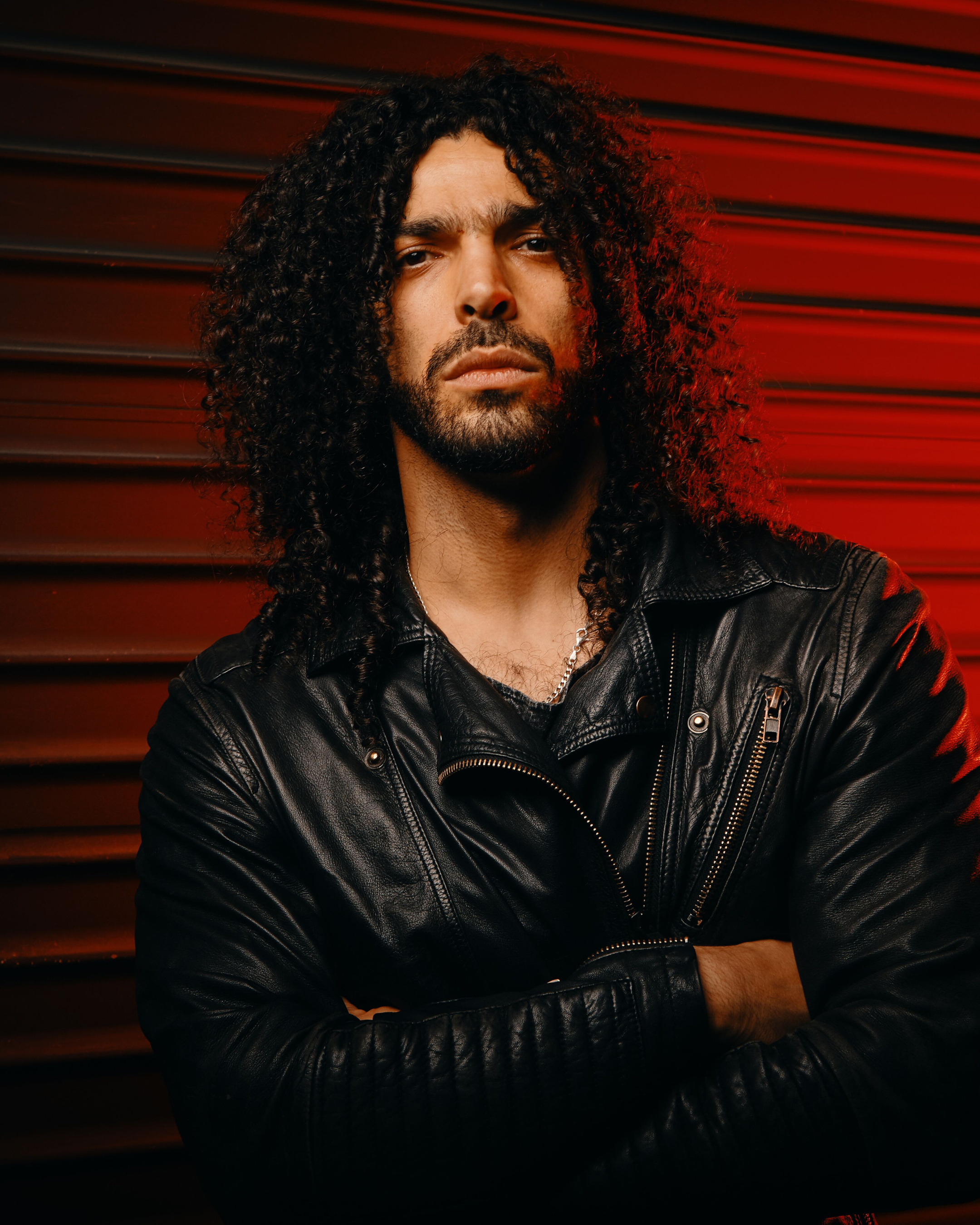
Ramy Essam
Lead: Shefa
Revolutionary musician and artist known as the voice of Tahrir square. Torture survivor and healing advocate. Live event and broadcast media production specialist.

Ammara Alavi
Head of Operations
Kulna’s Operations Lead, an experienced Pakistani Norwegian project manager and developer.
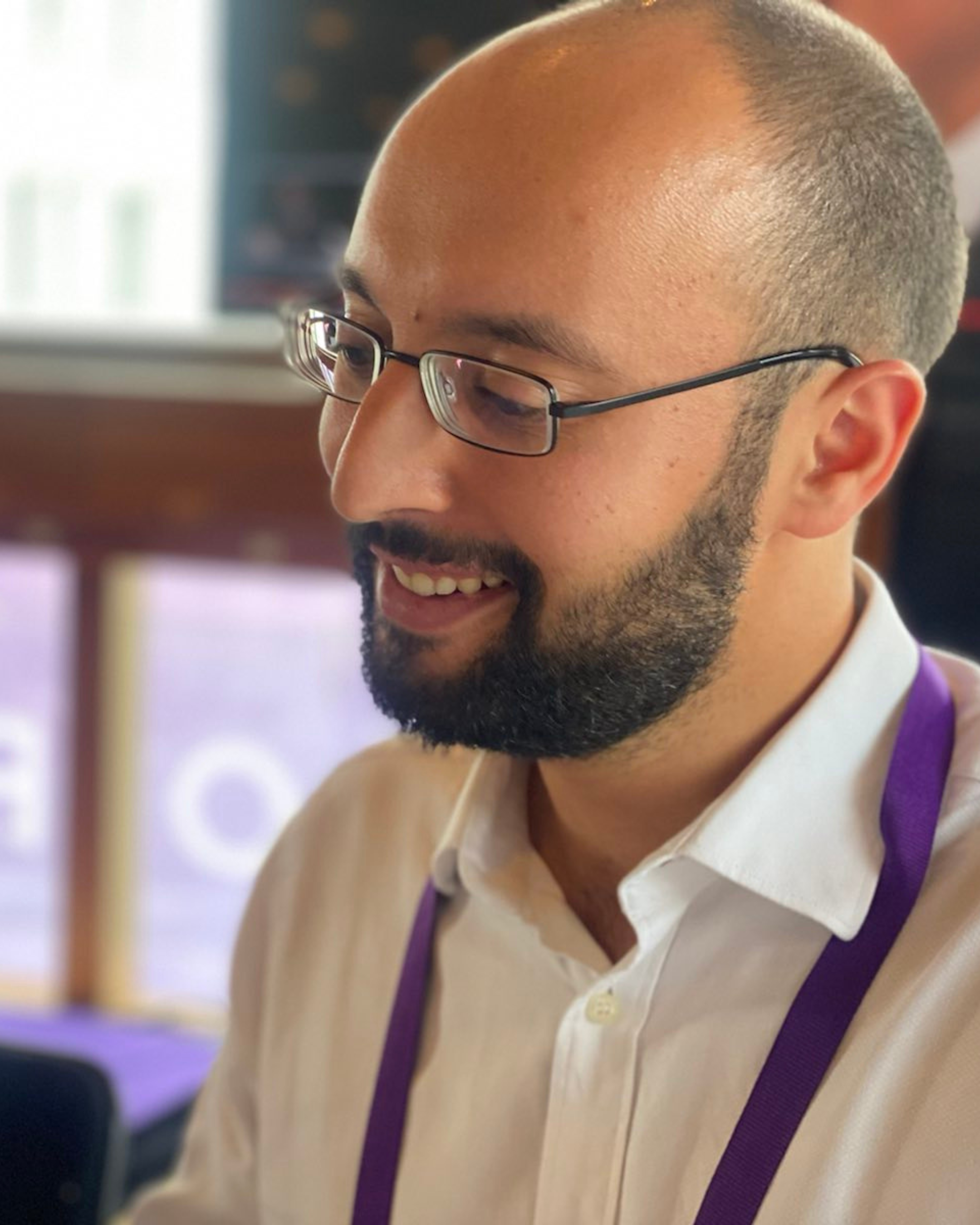
Ahmed Gatnash
Host, How to Liberate
Libyan-British author and engineer. Executive Director, Kawaakibi Foundation. An expert on MENA authoritarianism and democracy movements.

Isabelle Davodi
Host, Shefa Talks
Host of the Shefa Talks podcast and Community Lead.
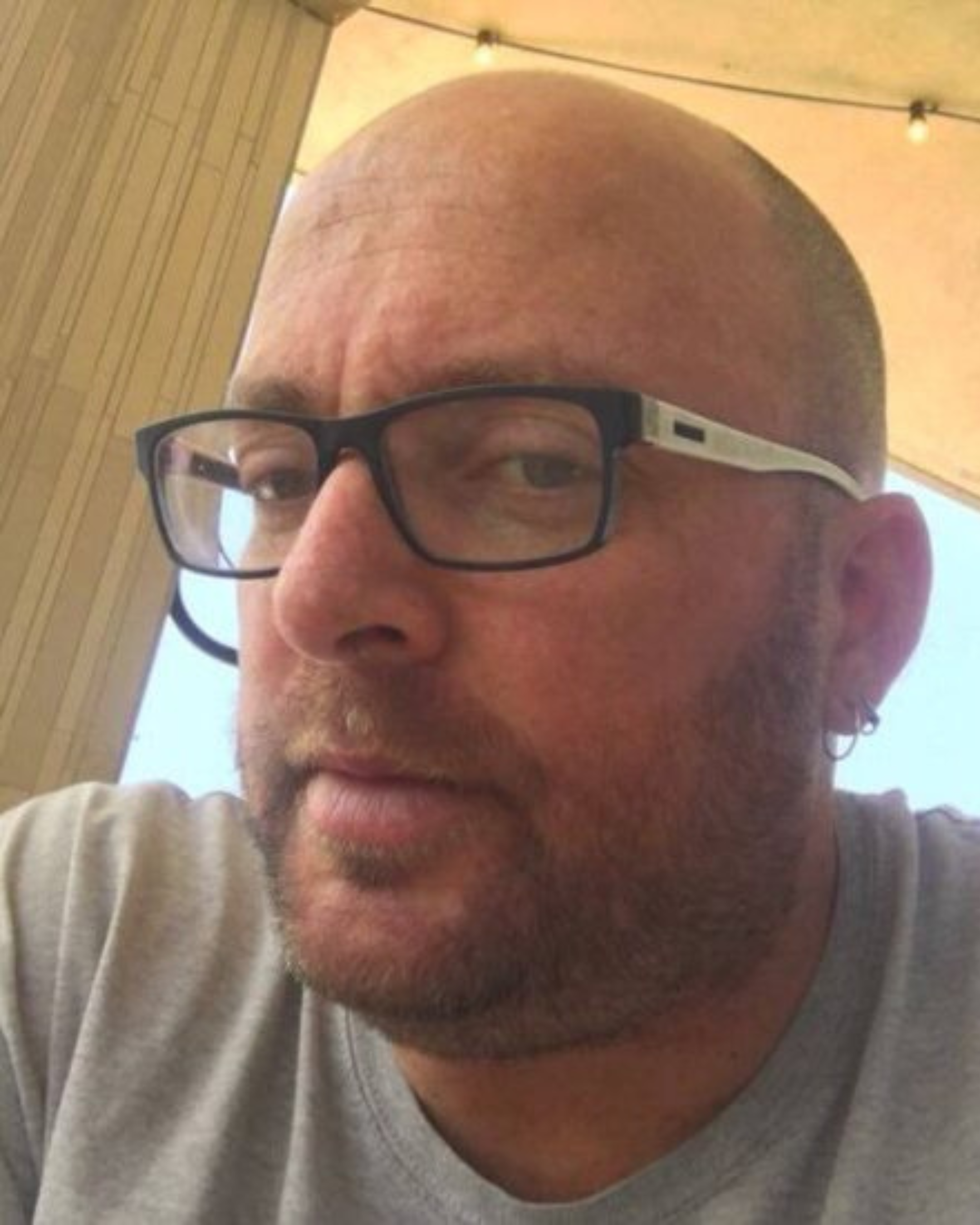
Ori Goldberg
Editorial & Contributor
Scholar, author, and former national security consultant who has become a prominent and prolific Israeli voice of dissent and moral clarity after Oct 7.
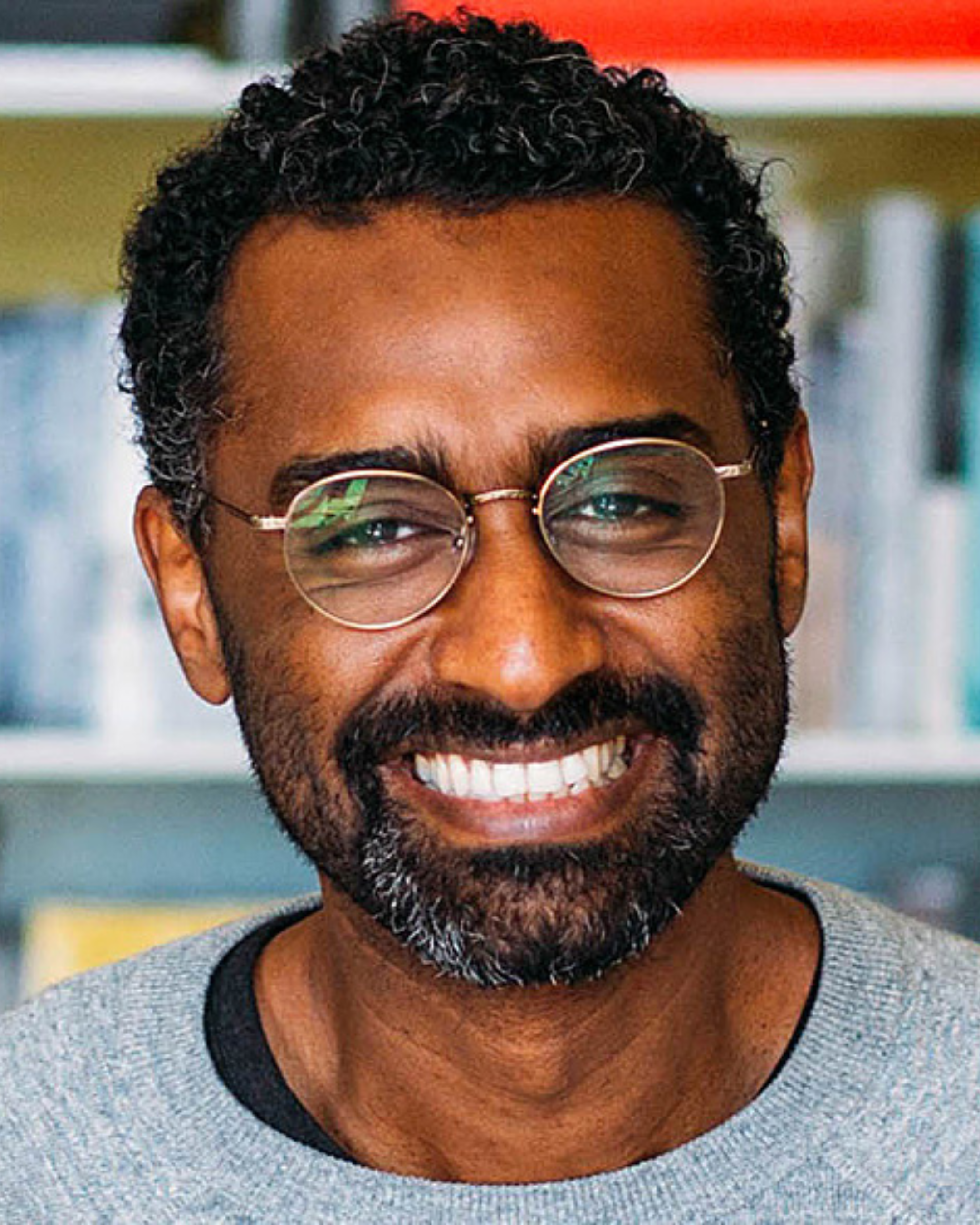
Khalid Al-Baih
Lead: Fadaa
Sudanese political artist, analyst, curator and cultural producer. Lead for Kulna’s art and culture space.
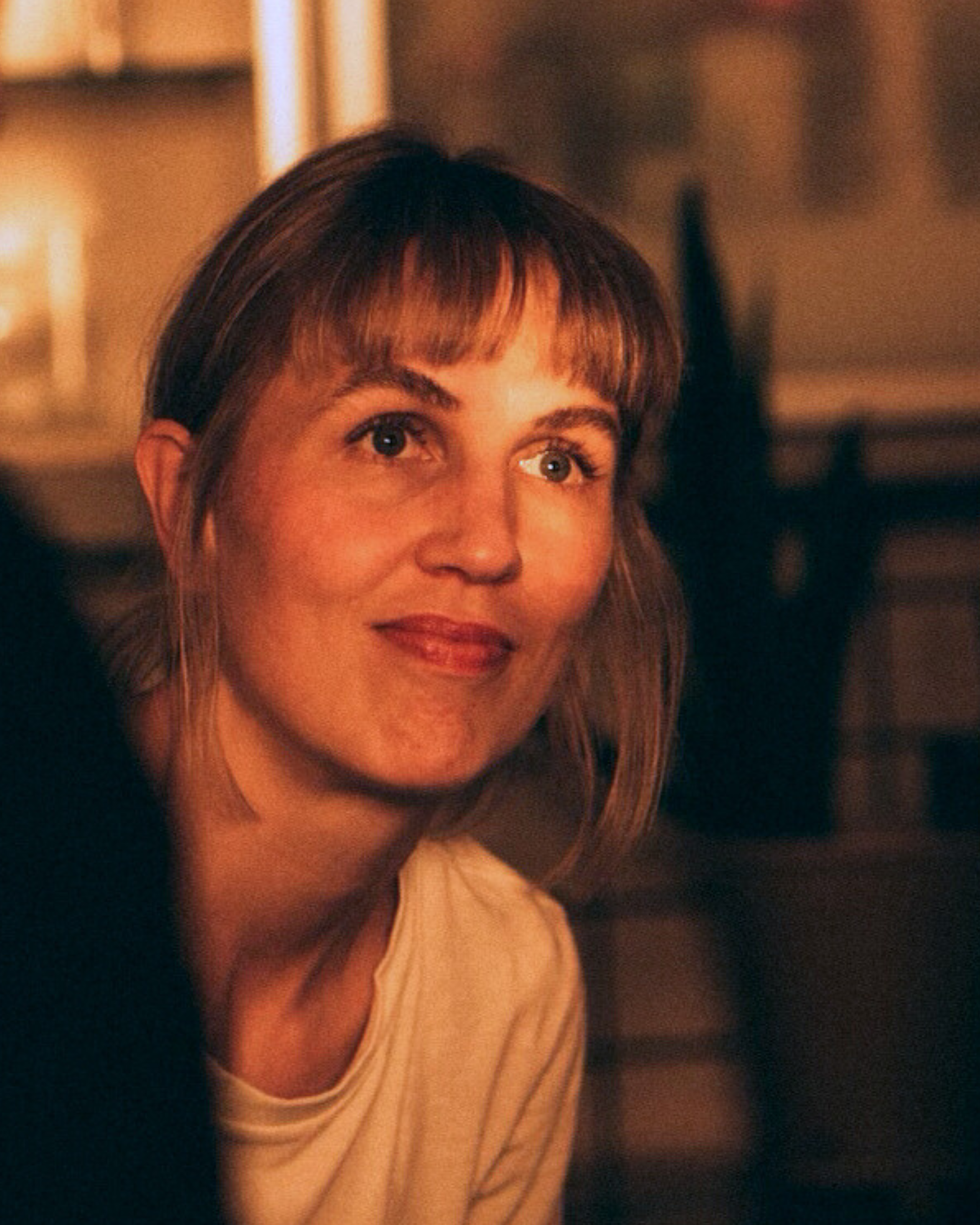
Kristine Vegard
Narrative & Visual
Norwegian artist, designer, and economist. Kulna’s lead for narrative & visual identity.
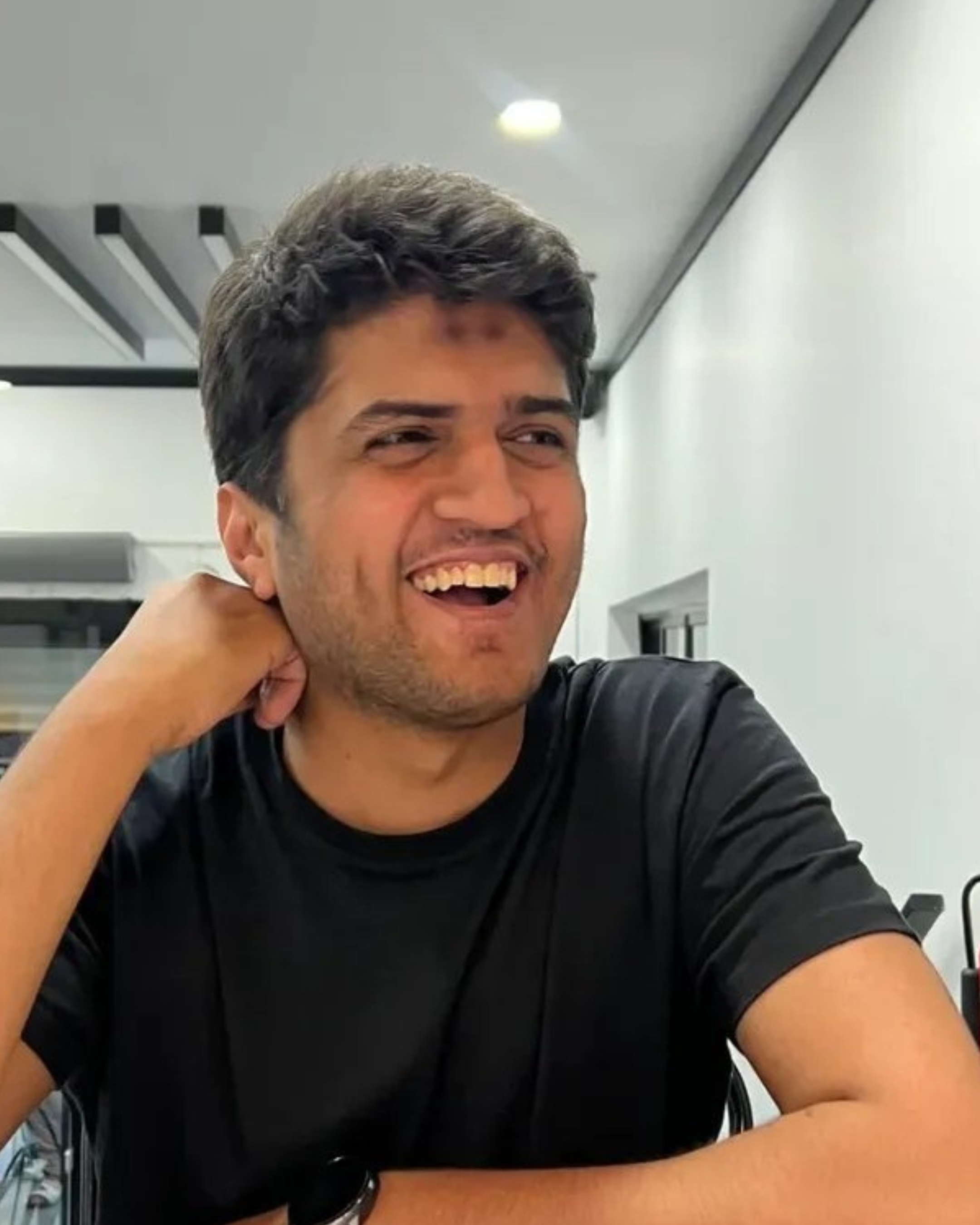
Mohammad Saad Bin Riaz
Content Strategist
Media production expert, journalist and researcher based in Pakistan.
What we produce
We produce newsletters, essays, reports, podcasts, video, and film, and build a membership community around them. People pay to subscribe, join the conversation, and sustain the work.
Kulna is the public platform of the Kawaakibi Foundation, a Norway-registered nonprofit organization. Kulna turns years of research and analysis by Kawaakibi into publicly accessible work.
Three editorial spaces
HowToLiberate is geopolitical analysis for people who want to understand power in order to challenge it. It moves from the anxieties of the present toward historical depth and strategic clarity.
Shefa is a space for healing, bringing together trauma research, feminist practice, and psychedelic-assisted approaches to recovery, because we believe that wounded movements cannot build free societies.
Fadaa is art, cultural resistance, and a practical platform that connects artists with spaces to work and gather - rooted in a Sudanese tradition of communal sharing, and in the conviction that access to space is a political question.