
Beginning with care
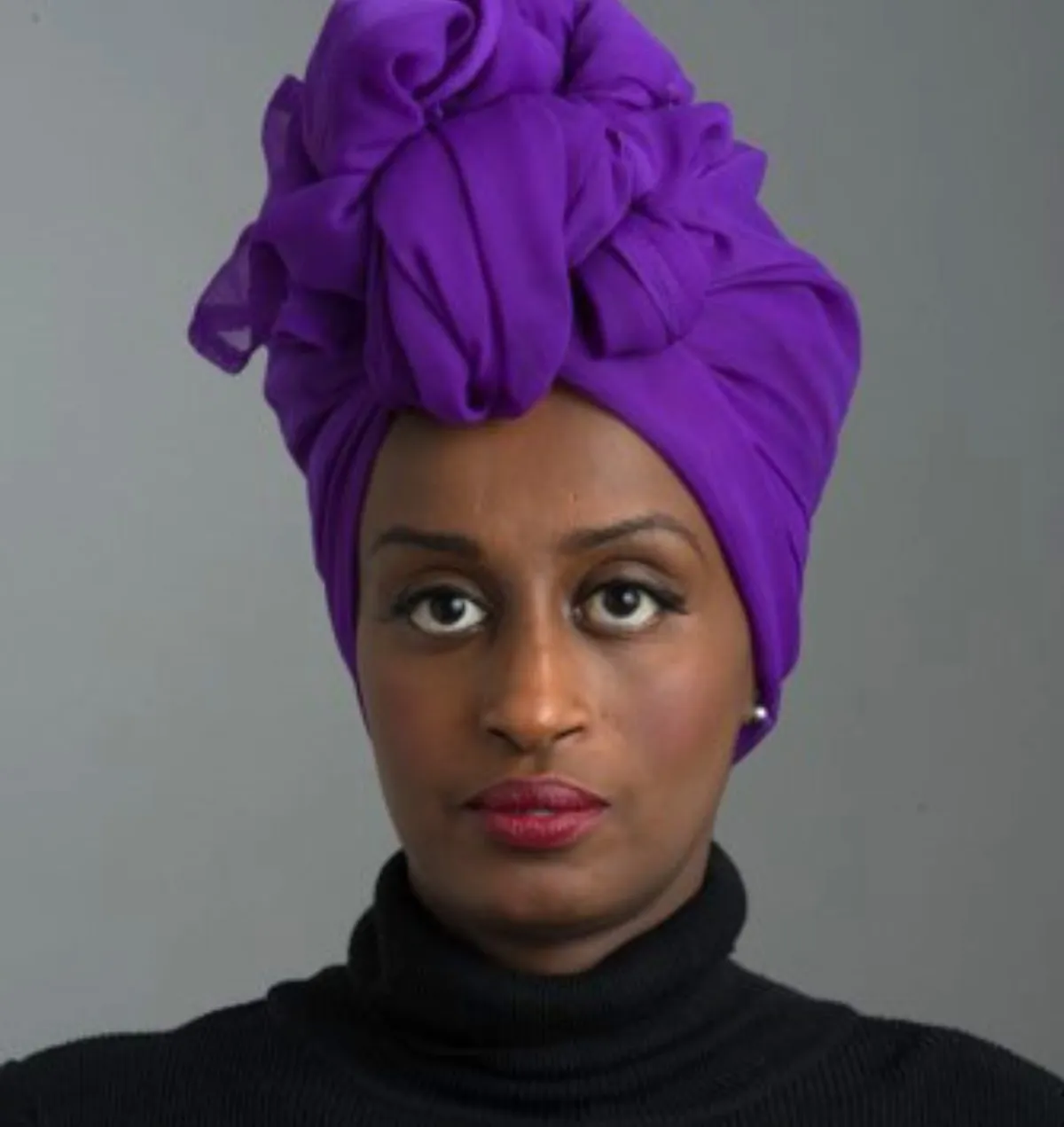
Kulna means “all of us.” That phrase carries both aspiration and responsibility. Because historically, “all of us” has not always included everyone.
Published 13 March 2026Before you read further, I want to begin with something simple.
Please take a breath.
If things have felt heavy lately, that would make sense. The world is demanding. Our work is demanding. Many of us are holding more than we say out loud. I know this because I have been in those rooms too, both as a therapist and as an activist.
Are you okay to read this right now? If not, that is completely fine, you can return to it later. Your emotional readiness matters. This is not symbolic language; it reflects our Do No Harm principle. We do not assume access to people’s attention, energy, or emotional capacity.
And while this letter speaks about serious issues, I also want to say that it is okay to laugh. It is okay to find joy. It is okay to dance, even in difficult times. Sustainable movements are not built on tension alone. They are sustained by community, humour, connection, and humanity.
Introducing Our Movement
Kulna means “all of us.”
That phrase carries both aspiration and responsibility. Because historically, “all of us” has not always included everyone.
I write this not only as Lead Wellbeing Coordinator and a psychotherapist, but as an activist who is proud to belong to this community. I am shaped by it and accountable to it.
Community, for me, is protection, and it is also where I get corrected.
When Movements Replicate Harm
Movements for justice, including feminist movements, have not been immune to racism, hierarchy, and exclusion. Black and Brown women, survivors, and community leaders are often expected to carry stories, emotional labour, and cultural translation, while structural power remains unchanged.
Shefa exists because wellbeing without justice is insufficient. And justice without an anti-racist feminist lens is incomplete.
From a therapeutic perspective, trauma does not exist in isolation. Patriarchy and racism shape it, as do the colonial histories that still determine whose expertise gets trusted and whose leadership counts as legitimate.
From an activist perspective, we cannot separate emotional harm from structural harm.
Burnout is not simply an individual weakness. It is often a response to systemic inequity. Secondary trauma is intensified when people work inside institutions that do not fully protect them, and when staff of colour are expected to absorb community trauma without supervision. Racism within movements can be as damaging as racism outside them.
Kulna represents a commitment to addressing this honestly.
Our Do No Harm approach is not only about safeguarding protocols. It is about examining power. It asks us to consider who speaks in our spaces, who is interrupted, who carries invisible labour, and who feels safe enough to disagree. It asks us to build consent and emotional safety into how we design programmes and partnerships rather than bolt them on afterwards.
An anti-racist feminist lens means redistributing who holds the money and who makes the decisions.
Early in my activism I gave my expertise and my public profile to well resourced organisations that did not pay for either. For a period I could not cover my rent while I was doing it. What I remember most is that I had no language for what was happening. Every arrangement was framed as an opportunity, a platform someone was offering me, and it is close to impossible for an emerging activist to argue with a favour. Fair pay belongs in the safeguarding conversation. An organisation cannot claim to protect frontline activists while making their lives more precarious.
I was seven when I experienced FGM. As my advocacy grew, I was asked to describe it from stages and in interviews, then to move straight into the next meeting. Nobody asked beforehand whether I wanted to go back there. Nobody checked afterwards. The flashbacks came, and then the burnout. The more painful the story was, the more platforms opened up for it. A survivor’s trauma becomes content. The organisation tracks what the testimony does to an audience and never asks what giving it does to her.
Eventually the burnout was severe enough that I had breakdowns and stepped away from work for nine months. I had kept going on the assumption that I would rest later. Later turned out to be too late.
I have spent my life arguing that women and girls have a right to bodily autonomy and to freedom from violence. Those principles do not change according to which population is under discussion. When I said so publicly about Palestine, the funding went, and so did friendships I had assumed were durable. That cost fits no definition of workplace harm, but the calculation it forces on you, working out which of your values a given room will tolerate, is a wellbeing question. Organisations invite activists in because we say difficult things, and then find they meant only the difficult things already on their agenda.
What Shefa is About
That is why I no longer accept that organisational wellbeing means offering therapy after someone has already been harmed. Therapy matters, but it does not touch the conditions producing the harm: who gets paid, who decides, how survivor stories are used, and what happens to someone whose voice becomes inconvenient.
Shefa works on those conditions. With activists in Kenya carrying years of frontline work, what mattered was not another strategy session. It was making it possible for someone to say out loud that they were tired, and for the room to stop rather than move to the next item.
Shefa is not an additional layer on top of our programmes. If we want change that lasts, the movements building it have to be psychologically informed and politically consistent.
As Lead Wellbeing Coordinator, my job is to keep Shefa survivor-centred and rigorous about its ethics. I am also committed to ensuring that our wellbeing work does not dilute difficult conversations about racism, patriarchy and power.
Care must not become a way to avoid accountability. It must strengthen it.
Care as a Political Commitment
Most importantly, this work is collective. None of us can carry this work alone, and none of us should have to.
As an African woman, I am grounded in the principle of Ubuntu, the understanding that “I am because we are.” Our humanity is bound up in one another, and so is responsibility for it.
Kulna, meaning all of us, sits deeply within that tradition. While Kulna is a global community, this principle of interconnectedness speaks directly to the kind of movement we are trying to build.
Wellbeing is collective work. How we treat one another is not separate from the change we are trying to make.
If liberation is our goal, then care must be central to how we pursue it.
Kulna is our commitment to ensuring that care belongs to all of us.
Dr. Leyla Hussein
Lead Wellbeing Coordinator, Shefa